Master Flat Surface Sanding with Your 1/4 Sheet Sander
By Jack Pettersson • 10th Dec

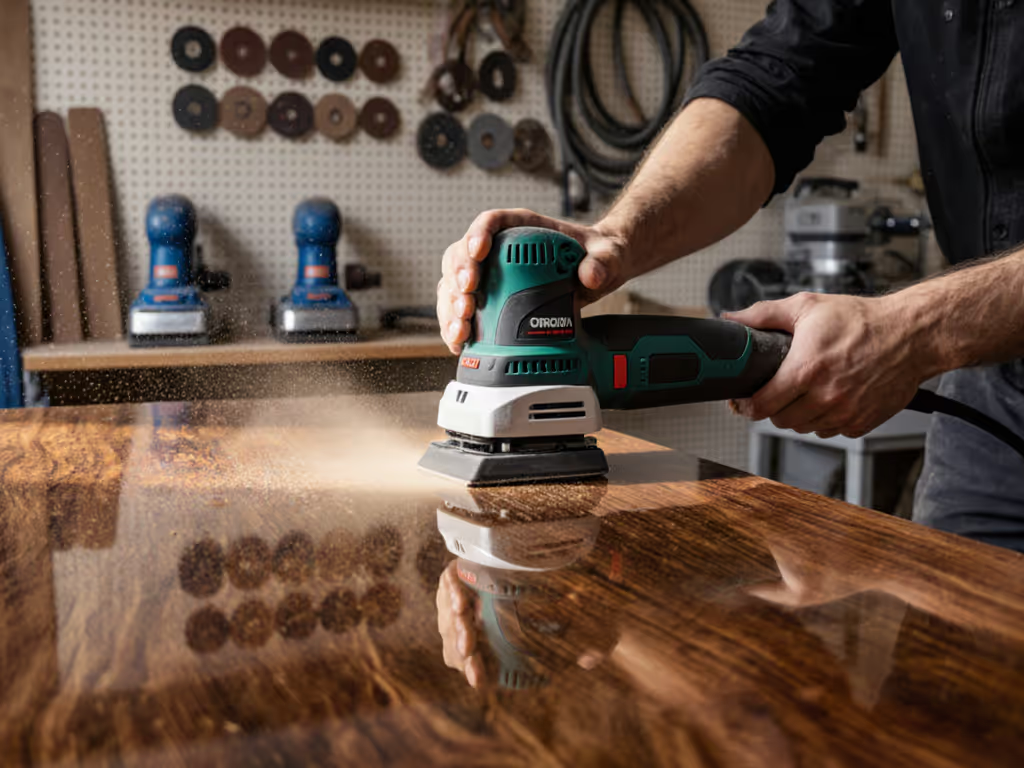
Achieving flawless flat surfaces demands more than just tool power (it requires a recipe-driven approach that transforms anxiety into repeatable precision). This guide delivers a step-by-step sequence proven in high-stakes environments like occupied homes and cabinet shops, prioritizing measurable results over guesswork.
Step 1: Surface Prep & Abrasive Selection
- Debris removal: Wipe surfaces with microfiber cloths to prevent embedded grit from causing deep scratches.
- Grit progression: Start at 120-grit for raw wood leveling, 180-grit for painted surfaces, and 220-grit for final finishing.
- Paper clamping: Ensure full tension using your sander's clamp system to prevent edge lift during operation.
Step 2: Sander & Dust Extraction Setup
- Orbit calibration: Set 14,000 OPM for woods/metals, reducing to 11,000 OPM for veneers or delicate finishes.
- Dust extraction: Connect 1-1/4" hoses directly to sander ports, ensuring airtight seals to capture >90% debris. For cleaner air and maximum capture efficiency, see our HEPA sanding dust collection guide.
Pro tip: Use 'hose management cues' like color-coded clips to prevent snags in tight spaces.
Step 3: Edge-First Sanding Sequence
- Edges/corners: Start 2" from borders using 1/3 pad overlap and feathering pressure outward.
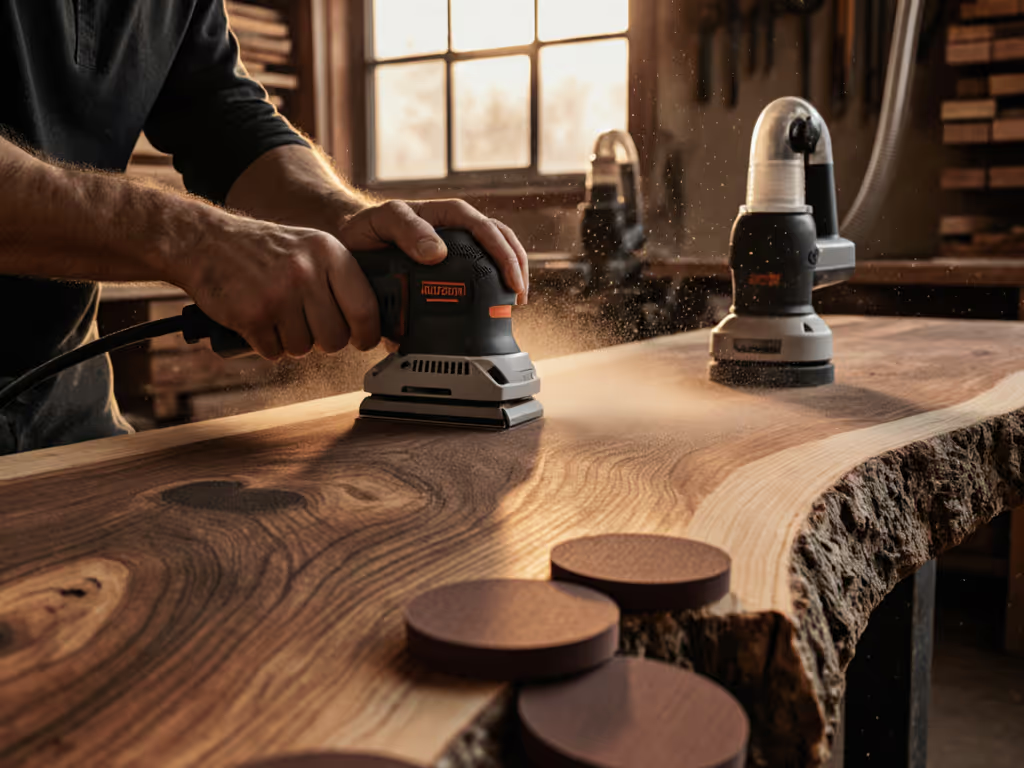
- Field work: Move inward in linear paths parallel to grain, maintaining 30% overlap between passes. For a deeper dive into grain alignment and scratch control, see our wood grain sanding guide.
- Stop card protocol: Place colored tape at 120-grit intervals as visual checkpoints to prevent over-sanding.
Step 4: Pressure & Pass Control
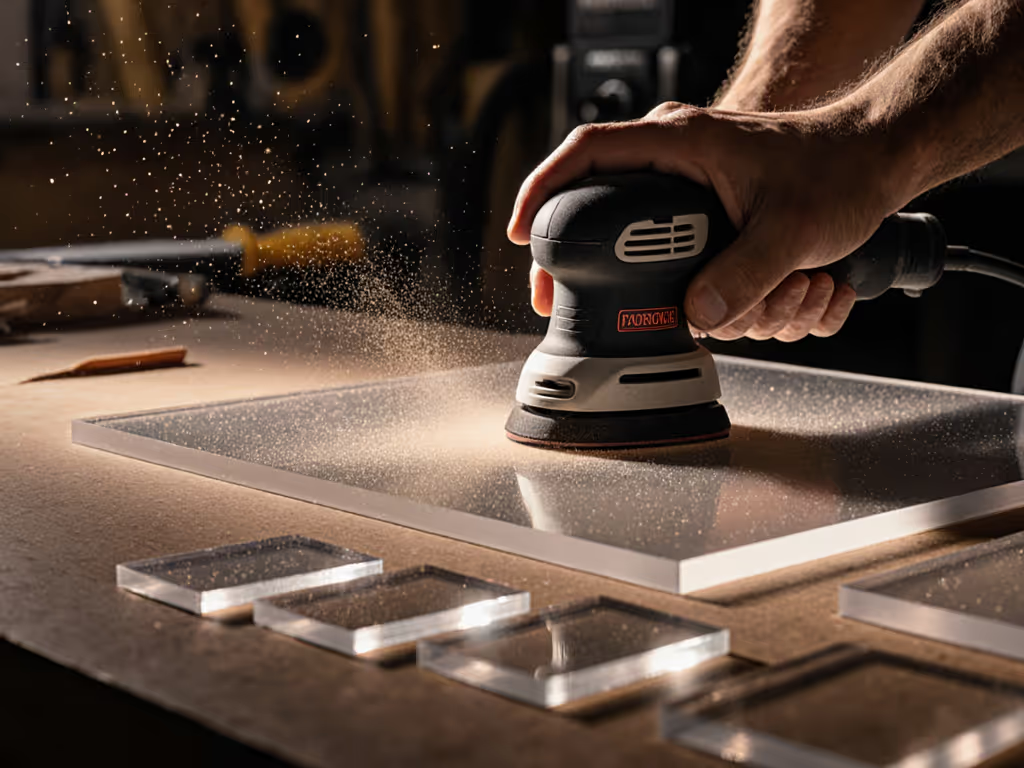
- Pressure: Apply only 2-3 lbs. force (let abrasives cut without deforming pads). Dial in your palm-sander grip and pressure with our anti-swirl techniques.
- Pass count: 3-4 passes per grit zone maximum, shifting direction 45° between grits to expose scratches.
- Speed consistency: Maintain steady front-to-back motion; rushing causes pigtails, hesitation creates divots.
Step 5: Light-Check & Refinement
- Raking light validation: Position a 45° light source to reveal hidden swirls before finishing.
- Micro-refinement: Address imperfections with targeted 220-grit spot sanding using 2"x2" squares.
- Final wipe: Use tack cloths post-sanding to eliminate residual dust that contaminates finishes.
Implement this sequence twice on scrap MDF (measuring scratch depth with calipers) before live projects. Confidence comes from repeatable process, not talent. Tape 'stop cards' at each grit transition; watch swirl callbacks disappear.
Related Articles